
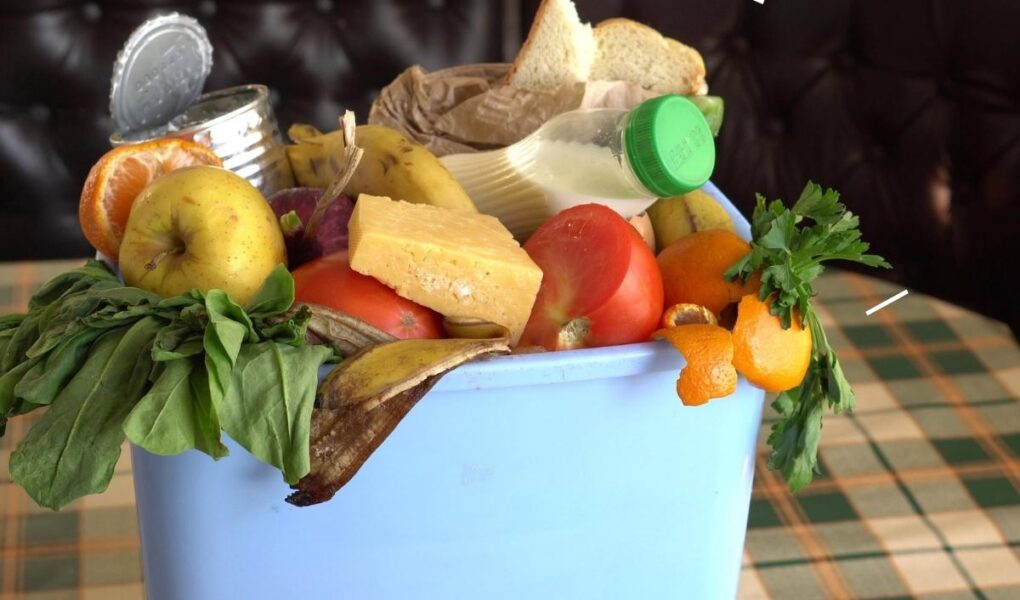
When it comes to reducing our carbon footprint to help slow down climate change, the first actions that come to mind are ditching your car and walking instead or opting for fresh produce without excessive plastic packaging. Something that many of us don’t tend to think about is how reducing food waste can help to reduce our own footprint.
According to The Eco Experts, we waste a lot of food here in the UK. Here are some uncomfortable facts on how much food waste there is: –
- The UK throws away 9.52 million tonnes of food per year.
- This emits 25 million tonnes of CO2e – which is more than Kenya’s total annual emissions – not good for greenhouse gas emissions.
- 40% of food produced globally goes to waste.
So, what can we do?
There are many steps we can take to reduce our own food waste, which not only benefits the environment but could save us money in the long run.
Meal Plan
Planning your meals in advance helps you avoid buying any excess food when you’re at the grocery store. If you have a shopping list of ingredients you need, you are more likely to stick to it and avoid impulse buys. It’s also a great way to save money as you’re only buying what you need.
Storing your food
How you store food is key to less food waste. The few tricks I have learned has helped me to reduce food waste and extends its shelf life. I store carrots in an airtight container filled will water, not only does this ensure they last longer, but they stay crunchy too. Strawberries have a very short shelf life so I put them, unwashed, in an airtight container with a hand towel, which soaks up any moisture. When I’m ready to eat them, I’ll wash how much I need. I also place certain fresh fruits and vegetables in a breathable bag and store them in a dark place.
Using food scraps
I’ve seen many people reuse their food scraps to make broths, stews and soup stock. It’s an easy way to put leftover food to good use and means you’re reducing your household food waste. Plus, having a stew for dinner on a cold night is a great example of comfort food. A friend of mine uses any stale bread she has and feeds it to the birds.
Be friends with your freezer
Freezing any leftover food is a good way to promote less waste. There’s no point in letting good food go to waste, just save it for another day. If you really want a time-saving option, you could even batch-cook food and freeze it. The great thing about this is that you know what’s in it. Social media is a great place to find examples of batch cooking.
Leftover feast
This is the thing I really like about freezing leftover foods. You’re likely to have smaller portions of different meals so why not have a bit of a feast with a handful of different meals. This is one of the easiest ways of using what you have. Not to mention the money you save.
Imperfect produce
For some reason, the top decision-makers within the food industry have been making food choices for us and decided that certain foods cannot be sold because they don’t ‘look right’. The food loss from this is shocking. I’m sure if you speak to your local farmer, they’ll tell you that food production is tough enough without being told their carrots aren’t the right shape. I’m personally not bothered if my carrots are a little wonky as long as they’re the best quality. There are some supermarkets that encourage shoppers to buy ‘wonky veg’ local produce, and I applaud this.
Stop Food Waste Day
This international day of action is dedicated to raising awareness about the global issue of food waste. Inspiring individuals, communities, and large and small businesses to act. It serves as a reminder of the shocking amount of food that goes to waste worldwide and the environmental impact it has. Through campaigns and educational initiatives, Stop Food Waste Day encourages us to take stock of our consumption habits and support efforts to address food insecurity as well as work towards a more sustainable and equitable food system for future generations.
About the Author
Raakhee Stratton, a UK based eco-blogger is author of Easy Peasy Greeny. Passionate about working towards sustainable living by learning and sharing ideas.


