
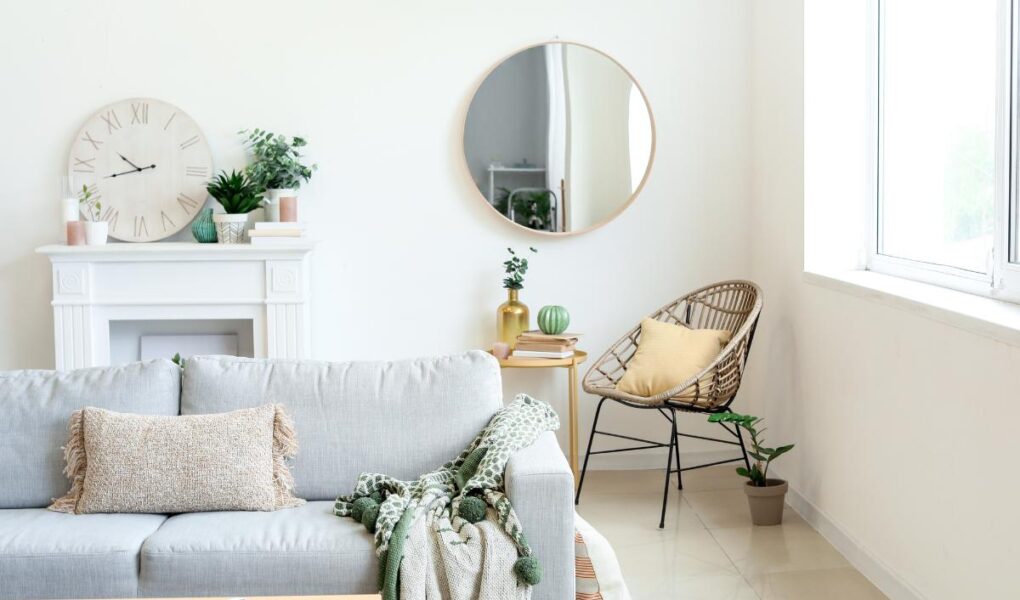
Choosing a paint colour should be one of the fun bits of decorating, but somehow it often ends with fourteen little paint cards scattered across the table and the sudden realisation that you can no longer tell the difference between warm white, soft white, chalk white and whatever other version of white you’ve picked up.
Then there’s the question of whether you should actually have gone for green.
If you’re currently staring at a room wondering what on earth colour to paint it, I’ve made this little tool to help. Tell it a bit about your room, the furniture you already have and, most importantly, how you’d actually like the room to feel, and it will suggest a few colour families worth exploring.
It won’t tell you that you absolutely must buy one particular tin of paint. Colours can look surprisingly different from one house to another, so I’d always sample them first. What it will hopefully do is narrow hundreds of possibilities down to a much more manageable starting point.

Find a colour for your room
How does the room colour quiz work?
I’ve deliberately included more than simply asking which colours you like. I might absolutely love a particular dark green in someone else’s enormous, light-filled living room, but that doesn’t necessarily mean I’ll love it in a tiny room in my own house.
The quiz looks at how much natural light your room gets, its size and, if you know it, which direction it faces. It also considers your furniture because you’re probably not planning to replace your sofa, flooring and every piece of furniture simply because you’ve bought a tin of paint.
Then there’s how you want the finished room to feel. A bedroom you want to feel calm and restful needs a slightly different approach from a dining room where you’re quite happy to embrace something dramatic.
I’ve also included the option to tell the tool which colours you don’t want. There is very little point in me recommending the world’s most perfect shade of green if you’ve spent the last ten years telling everyone how much you hate green!
Why does natural light make such a difference to paint colour?
One of the reasons choosing paint from a tiny card in a shop can go so spectacularly wrong is that you’re not seeing it in the same light as your room.
A colour can look completely different as the light changes throughout the day. Rooms with lots of warm natural light can often cope beautifully with cooler colours, while a darker room may benefit from something with warmer undertones if you’re trying to make it feel welcoming.
That doesn’t mean there’s a rule saying you have to paint a dark room white, either.
Sometimes embracing the fact that a room is naturally darker and choosing a richer colour creates a much more intentional result than desperately trying to make it look like a sunny conservatory when it never will.
What colours work well in a north-facing room?
North-facing rooms tend to receive cooler natural light, which can change how colours appear on the wall. Very cool greys, whites and blues can sometimes look colder than expected, particularly on a gloomy day.
If you want the room to feel warmer, I’d start by sampling colours with warmer undertones. Creams, warmer neutrals, earthy greens, muted pinks and clay shades can all be worth considering.
That doesn’t mean blue is banned from a north-facing room. If you love blue, I’d much rather help you find the right blue than tell you to paint your home beige because a decorating rule says so.
What about south-facing rooms?
A south-facing room generally gets warmer and stronger natural light, which gives you plenty of freedom.
Cooler shades can work particularly well because the warmer light can stop them feeling too stark, while stronger colours often have enough light around them to really shine.
The slight downside is that very bright sunlight can alter how a colour appears at different times of day, which is another reason I’d never choose a colour after looking at a sample once.
Should I paint a small room a light colour?
You certainly can, but you don’t have to.
Pale colours can help a small room feel light and open, especially if that’s the effect you’re hoping for. However, there is nothing wrong with deciding that your little snug, downstairs loo or box bedroom is going to be unapologetically dark and cosy.
I think this is where decorating advice sometimes gets a little too obsessed with making every room look bigger.
Bigger isn’t automatically better. If you have a small room, you’re allowed to make it feel like a lovely small room rather than trying to fool everyone into believing you’ve secretly added another three metres to it.
How do I choose a paint colour to go with my furniture?
Unless you’re starting with a completely empty room, I’d look at the things that are staying.
That might mean your sofa, flooring, kitchen units, bed, curtains or a big piece of wooden furniture. You don’t necessarily need everything to match, but you do want the colours to feel as though they belong in the same room.
Dark wood, for example, can look gorgeous against earthy greens, warm neutrals and some deeper blues. Light wood often works beautifully with soft neutrals, greens and muted colours, while very colourful furniture might make a quieter wall colour a better backdrop.
Rather than looking at one item in isolation, stand in the room and work out which colours you can already see. They’re part of your colour scheme whether you planned them or not.
Should every room in my house be the same colour?
Definitely not, although having some connection between rooms can make your home feel more considered.
That connection doesn’t have to mean buying twenty litres of the same greige and painting absolutely everything with it. You could repeat a couple of colours, use different shades from a similar palette or simply make sure neighbouring rooms don’t look as though they belong in completely different houses.
Your home also doesn’t need to follow one particular interior design trend. If you love a calm bedroom, a colourful kitchen and a dark, cosy living room, that’s your home. It needs to work for you rather than fit neatly into an Instagram label.
Always test your paint colour first
However confident you are about a colour, I’d still buy a tester before committing to several tins.
I prefer testing a decent-sized area rather than painting a tiny square on the wall. You can paint lining paper or large pieces of card and move them around the room, which also means you aren’t left with a strange patchwork wall while you’re deciding.
Look at your samples in the morning, afternoon and evening. Turn your lights on too. The gorgeous sophisticated colour you loved at lunchtime might suddenly look completely different under your warm lamps at 8pm.
If you’re torn between two shades, leave them up for a few days. There is absolutely no prize for choosing your paint colour quickly.
What if the quiz suggests a colour I hadn’t considered?
That’s actually one of the reasons I wanted to make it.
It’s very easy to decide you’re looking for, say, a beige living room and then compare fifty almost identical beige paints without considering that a muted green, warm taupe or dusty pink might create the feeling you actually wanted.
You don’t have to follow the result, of course. Think of it as someone nudging a few paint cards across the table and saying, “Have you thought about these?”
You might hate one immediately. That’s useful too, because you’re another step closer to working out what you do want.
Ready to choose your colour?
Scroll back up and have another go at the What Colour Should I Paint My Room? quiz if you want to experiment with different answers.
Try changing the mood from light and airy to cosy, or see what happens if you tell it you’re feeling braver about colour than you thought.
Most importantly, choose something that makes you happy when you walk into the room. You live there. Your walls don’t need anyone else’s approval.