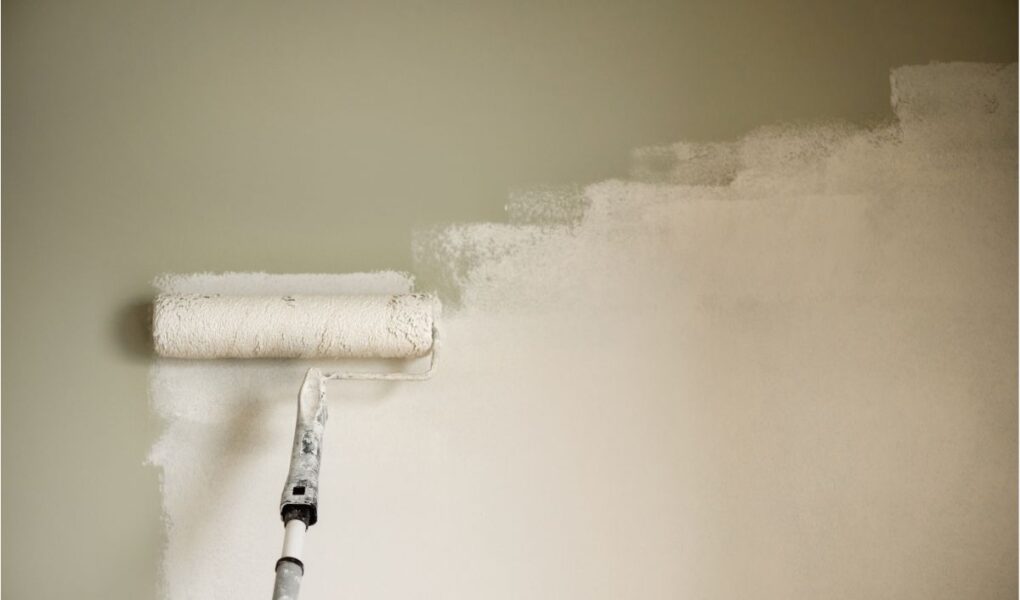
Paint isn’t just a colour to cover a wall; it’s a transformative tool that can alter the very essence of any room. Whether you’re looking to make a small space feel larger or simply refresh your spare room, the right paint choice can make all the difference. This guide will explore how to use paint to not only change the colour of your walls but also to manipulate space and create the illusion of a room that’s entirely different in size and shape.
The Basics of Room Transformation with Paint
The journey to transforming a room with paint starts with the selection of colour and finish. The colour sets the mood, while the finish determines the glow, ranging from matte to high gloss. Colour psychology plays a crucial role in how a space feels; for instance, blues and greens evoke a sense of calm, while yellows can energise. Additionally, the amount of natural light a room receives should influence your colour choice, as light can significantly impact how a colour looks in your space.
Strategies to Make a Room Appear Longer
One common goal in interior design is to make a room appear more spacious and longer. Here’s how you can achieve this illusion with paint:
- Use Light Colours: Light shades can make walls seem further away, giving the impression of a more expansive space. Opt for soft tones like pale blues, greens, or neutrals to open up the room.
- Paint an Accent Wall: Adding a darker shade to one wall, typically the one furthest from the entrance, can create depth. This accent wall draws the eye, making the room appear longer than it is.
- Vertical Stripes: Painting vertical stripes on walls can visually stretch them, making the ceiling appear higher and the room longer. For best results, use two shades that are close in colour but different enough to distinguish from one another.
Choosing Walls to Paint for Different Effects
The walls you choose to paint and the colours you select can dramatically alter the perception of your room.
- Creating a Focal Point: Use a bold or contrasting colour on one wall to create a focal point. This technique works well behind a bed in a bedroom or a sofa in a living room.
- Optical Illusions: To make a narrow, rectangular room feel more balanced, paint the shorter ends a darker shade than the longer walls. This trick can make the space seem more square.
- Enhancing Natural Light: If you want to enhance the natural light in a room, choose reflective light colours for walls opposite windows to bounce light back into the room.
Practical Tips for a Successful Paint Transformation
Before diving into your project, consider these practical tips for a flawless finish:
- Preparation is Key: Properly prepare your walls by cleaning, sanding, and priming them before painting. This ensures the paint adheres well and looks smooth.
- Sampling Colours: Test your chosen colours on small sections of the wall at different times of the day. Lighting can dramatically affect how a colour appears, and what looks good in the morning may not look good at night.
- Quality Matters: Invest in high-quality paints and tools. Better paint covers more evenly and lasts longer, making your transformation not only beautiful but durable.
Conclusion
With thoughtful colour selection and strategic application, paint can manipulate the perceived size and shape of your space. Whether you’re aiming to spruce up your home, make a room appear longer, create a focal point, or enhance natural light, the tips provided here can help you achieve your desired effect.


I love a feature wall to make a room look different